



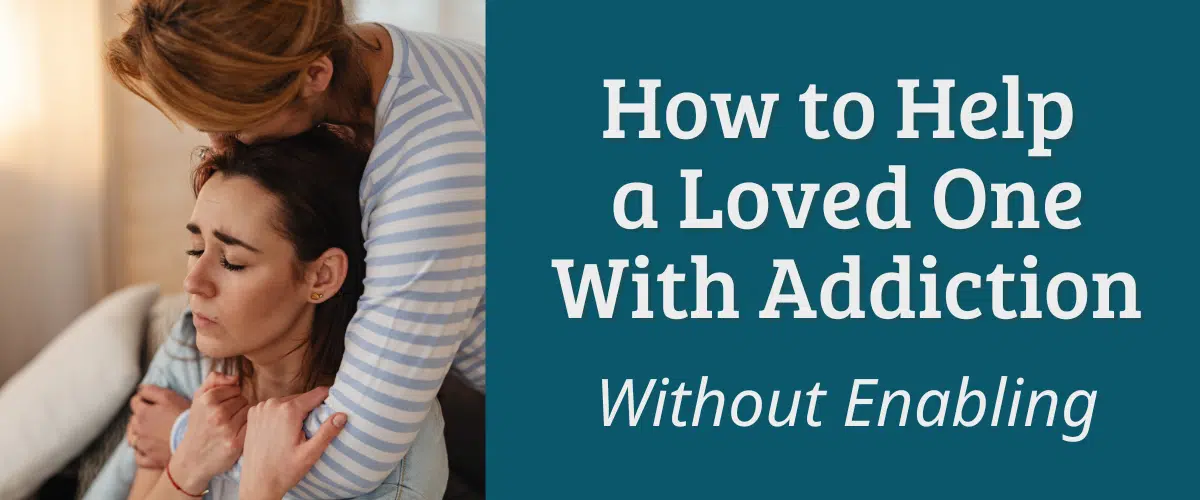
Helping a loved one with addiction is emotionally complex. Families often try everything they can to support recovery—yet many worry their actions may unintentionally enable addiction rather than encourage change.
This guide explains how to help a loved one with addiction without enabling, especially when mental health conditions are involved. You’ll learn how to set boundaries, recognize enabling behaviors, and support long-term recovery through evidence-based care.
What Does It Mean to Help vs. Enable?
Helping includes encouraging treatment, setting healthy boundaries, promoting accountability, and caring for your own mental health. Enabling includes making excuses, providing money, avoiding treatment conversations, and shielding someone from consequences.
Why Enabling Is Common—Especially With Dual Diagnosis
When addiction and mental health disorders occur together, families often step in more heavily, which without guidance can reinforce addiction patterns.
How to Support a Loved One Without Enabling
- Set clear, compassionate boundaries
- Encourage professional addiction and mental health treatment
- Allow natural consequences to occur
- Communicate honestly and calmly
- Promote responsibility and independence
- Take care of your own mental health
- Stay connected—with healthy limits
When to Seek Professional Help
Addiction rarely resolves without professional care. Fora Health offers detox, outpatient treatment, dual diagnosis care, evidence-based therapies, family support, and aftercare planning.
You’re Not Alone—Help Is Available
Healthy support—not enabling—creates the strongest path toward recovery.