



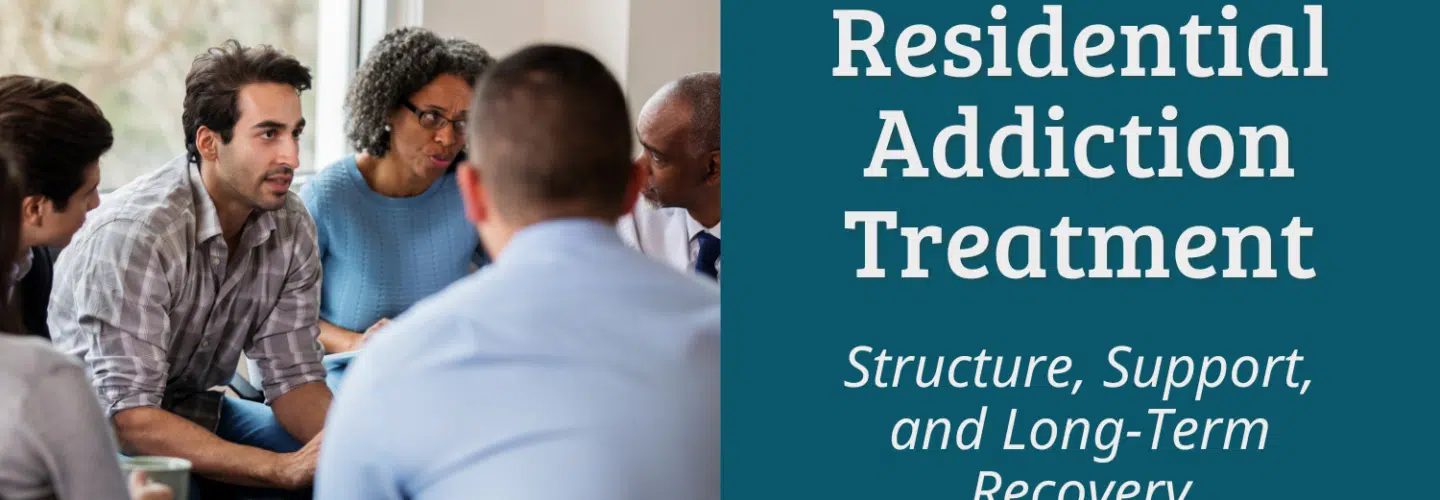
Addiction is a complex, chronic disease that affects not only the individual but also families, workplaces, and entire communities. For many people, especially those with long‑term addiction or co-occurring mental health conditions, outpatient treatment alone may not offer enough stability to support early recovery. Residential addiction treatment provides a structured, immersive environment where healing can begin and long‑term recovery can take root.
At Fora Health, residential treatment is designed to address the whole person: mind, body, and long‑term wellbeing through evidence‑based care, trauma‑informed practices, and continuous support.
What Is Residential Addiction Treatment?
Residential addiction treatment, sometimes referred to as inpatient treatment, involves living onsite at a treatment facility for a designated period. This level of care removes individuals from environments that may contribute to substance use and replaces them with daily structure, professional support, and peer connection.
Residential treatment is especially beneficial for individuals who:
- Have experienced repeated relapses
- Live in unstable or unsafe environments
- Have co‑occurring mental health conditions
- Need intensive therapeutic support
- Require medical oversight during early recovery
At Fora Health, residential programs provide 24/7 supervision combined with clinical care to help individuals stabilize physically, mentally, and emotionally during the critical early stages of recovery.
The Importance of Structure in Recovery
One of the most powerful components of residential addiction treatment is structure. Addiction often disrupts routines, decision‑making, and healthy habits. Residential care restores predictability and accountability through a consistent daily schedule.
A structured treatment day typically includes:
- Individual therapy sessions
- Group counseling and peer support
- Educational workshops on addiction and recovery
- Life skills development
- Mindfulness, movement, and wellness activities
- Time for reflection and rest
This daily rhythm helps individuals relearn healthy patterns, regulate emotions, and build coping skills that support long‑term sobriety. Structure also reduces decision fatigue in early recovery, allowing clients to focus fully on healing.
Learn more about Fora Health’s approach to structured care on our website or by calling our care team at (503) 535-1151.
Clinical and Emotional Support Around the Clock
Residential addiction treatment offers a level of support that goes beyond therapy sessions alone. Clients are surrounded by trained professionals and peers who understand the challenges of recovery.
At Fora Health, support includes:
Licensed Clinical Care
Clients have access to licensed addiction counselors, mental health professionals, and medical staff who tailor treatment plans to individual needs. This ensures that underlying mental health concerns, trauma, or medical conditions are addressed alongside substance use.
Peer Support and Community
Healing happens in connection with others. Residential treatment fosters a sense of belonging through group therapy and shared experiences. Peers have lived experience, and their support helps reduce isolation and reminds individuals they are not alone in their recovery journey.
Trauma‑Informed and Compassionate Care
Many people entering addiction treatment have experienced trauma. Fora Health utilizes trauma‑informed care practices that prioritize safety, trust, and empowerment throughout the treatment process.
Addressing Co‑Occurring Mental Health Conditions
Addiction/Substance use disorders frequently coexist with mental health conditions such as depression, anxiety, PTSD, or bipolar disorder. Without addressing both, long‑term recovery can be difficult to sustain.
Residential addiction treatment at Fora Health integrates mental health services into all levels of care, allowing individuals to receive treatment for co‑occurring disorders simultaneously. This integrated approach reduces relapse risk and supports more sustainable recovery outcomes.
Preparing for Life After Residential Treatment
Residential treatment is not an endpoint, but it is the foundation for lifelong recovery. A key focus of residential addiction treatment is preparing clients for the transition back into daily life.
Fora Health emphasizes:
- Relapse prevention planning
- Coping strategies for stress and triggers
- Healthy communication skills
- Employment and life skills support
- Continued care planning
Before discharge, clients work closely with their care team to develop a personalized aftercare plan. This may include outpatient treatment, recovery housing, mutual support groups, or ongoing therapy.
Long‑Term Recovery Is a Process, not a Single Event
Recovery is not a one‑time accomplishment; it is an ongoing process that evolves over time. Residential addiction treatment provides the tools, stability, and insight needed to begin that journey with confidence.
Research consistently shows that longer engagement in treatment and continued support improve long‑term recovery outcomes. By focusing on skill‑building, emotional regulation, and community connection, residential treatment helps individuals develop resilience they can rely on long after they leave treatment.
At Fora Health, recovery is viewed as a lifelong path—and clients are supported each step of the way.
Why Choose Fora Health for Residential Addiction Treatment?
For over 50 years, Health Treatment and Recovery has been serving individuals and families with a mission rooted in compassion, evidence-based care, and equity in access to treatment.
What sets Fora Health apart:
- Comprehensive residential addiction treatment programs
- Integrated mental health services
- Trauma‑informed and person‑centered care
- Strong emphasis on long‑term recovery and aftercare
- Commitment to accessible, community‑focused treatment
Whether someone is seeking help for themselves or a loved one, Fora Health offers a supportive environment where healing can begin and hope can be restored.
Take the First Step Toward Recovery
If you or someone you love is struggling with addiction, residential treatment may be the right next step. Recovery is possible with the right structure, support, and long‑term planning.
Learn more about residential addiction treatment options and compassionate care on our website or call our care team at (503) 535-1151.